The first year · Month 9
On the back lawnBee and wasp sting first aid, from Queensland Health
Queensland Health’s first aid for bee, wasp and ant stings is copied below, whole and in its own words, starting with its line on consciousness and breathing. For a severe allergic reaction, this page links the allergy body ASCIA’s first aid plan for anaphylaxis.
General information, not medical advice. The first aid is Queensland Health’s, from its bites and stings page, which is the page to follow; it and the other sources are listed at the foot of this page.
Queensland Health’s steps for bee, wasp and ant stings
These are Queensland Health’s words, copied whole from the part of its page headed “First Aid for All Other Bites and Stings” and from its help and assistance lines. They are shown as a list of actions rather than a numbered sequence, with its line on consciousness and breathing first.
Bee, wasp and ant stingsQueensland Health, quoted whole
- “If you have any concerns with level of consciousness or breathing call 000 immediately.”
- “Wash the area with soap and water and apply an antiseptic, if available.”
- “Ensure that the patient’s tetanus vaccination is up to date.”
- “Apply an ice pack to site for pain and swelling.”
- “Provide pain relief if required eg. paracetamol or an antihistamine (to reduce swelling, redness and itch).”
- “If bee, European wasp, ant or non-tropical minor jellyfish sting is suspected apply an ice pack for 15 minutes at a time to reduce local pain and swelling.”
- “In the case of a bee sting, remove the sting by sliding or scraping your fingernail across it, rather than pulling at it.”
- “The patient should seek medical advice if they develop any other symptoms or signs of infection.”
- “If you have any other symptoms from or concerns about a bite or sting please contact one of our Registered Nurses at 13 HEALTH by phoning 13 43 25 84.”
For a severe allergic reaction
Bee and wasp stings can cause anaphylaxis, which healthdirect calls a severe allergy. The allergy body ASCIA says allergies to the venom of stinging insects are among the most common causes of anaphylaxis in Australia and New Zealand. Queensland Health’s page adds a caution of its own: “Although relatively few bites and stings are seriously dangerous to humans, it may be difficult to distinguish which bites and stings are serious from those which are not.”
Why a bee sting is different
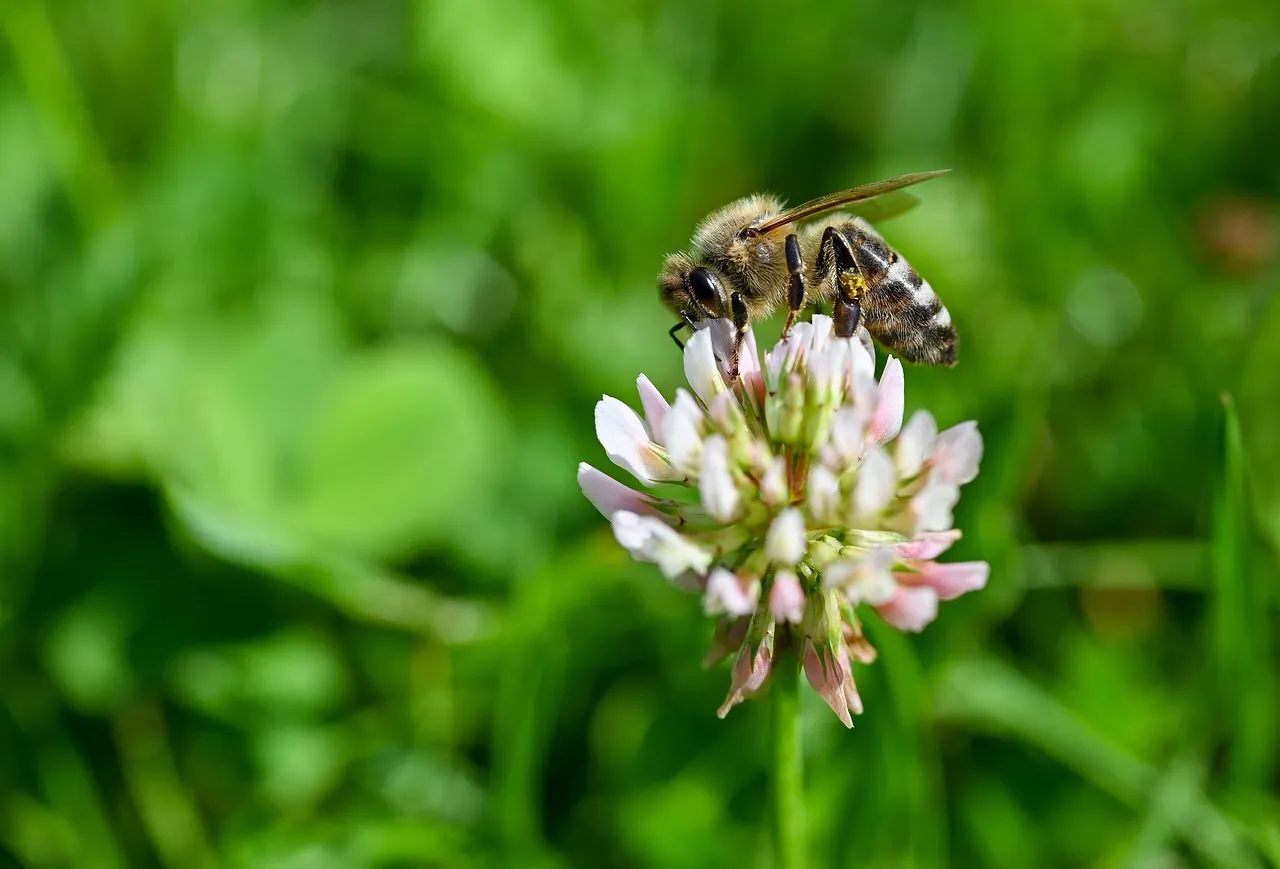
Bees
A honey bee’s sting is barbed. It sticks in the skin and tears away from the bee with its venom gland attached, which kills the bee. The Australian Museum explains that the gland keeps pumping venom through the sting after it has torn away, so the sting “should be removed as soon as possible”.
Wasps and bull ants
ASCIA says wasps and bull ants rarely leave their sting in the skin. It names the paper wasp as responsible for the most serious wasp stings, and notes that paper wasps and European wasps both sting more than once.
The fingernail step in Queensland Health’s list names bee stings only.
Ants on the same list
Queensland Health’s steps name ant stings alongside bees and European wasps. Among Australian ants, ASCIA says the jack jumper, a mid-sized black bull ant that ASCIA places in eastern Australia, Tasmania and South Australia, is the main cause of anaphylaxis from ant stings. It also lists the green ant of Queensland and native Australian bees among the insects that cause allergic reactions. The ants guide covers the ants around a house.
Who is at greater risk
ASCIA’s page sets out a few patterns. These describe risk; they are not first aid.
- People who have had anaphylaxis after a sting before are at the greatest risk.
- Adults are at greater risk than children.
- People who have had only a rash or a large local swelling have less than a 10% chance of anaphylaxis with later stings.
- An allergy to one kind of stinging insect does not usually raise the risk of a reaction to another.
ASCIA says older people and people who have difficulty breathing are at the greatest risk and should see a clinical immunology or allergy specialist to plan for future stings.
Nests near the house
ASCIA advises having nearby ant, bee or wasp nests removed by professionals, and says the same applies to schools and early childhood services, particularly where children with a stinging insect allergy are enrolled. In Queensland, a swarm is different from a nest: Business Queensland describes swarming bees as usually placid and unlikely to sting when left undisturbed, and says swarms occur naturally in spring to early summer. The hiring guide lists what to ask a technician, and the schools guide covers treatments at a school or centre.